REPORT ON THE CoE FOR THE SONOGRAPHY SOCIETY OF ZAMBIA (SSZ) CARDIO-VASCULAR ULTRASOUND INTENSIVE TRAINING WORKSHOP
Theme: Utility of Ultrasound Imaging in Early Detection of Cardiovascular Abnormalities
Training Dates: 19th – 30th August 2024
Venue: University Teaching Hospital (UTH) Radiology Department/Cardiac Lab
- INTRODUCTION
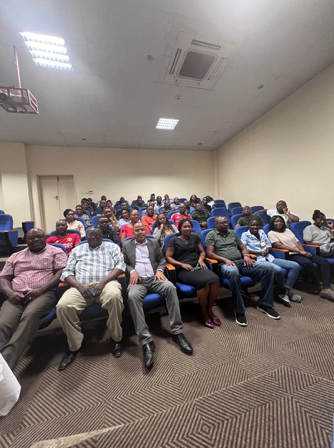
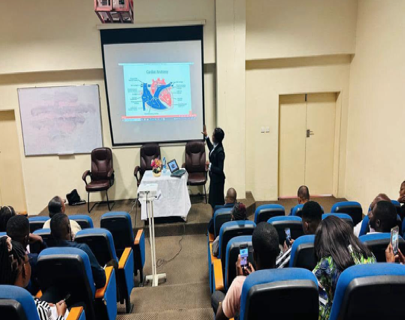
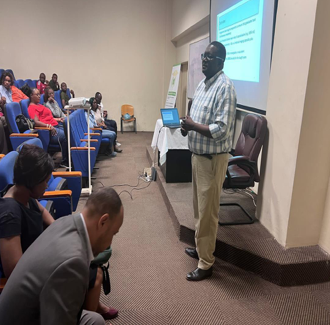
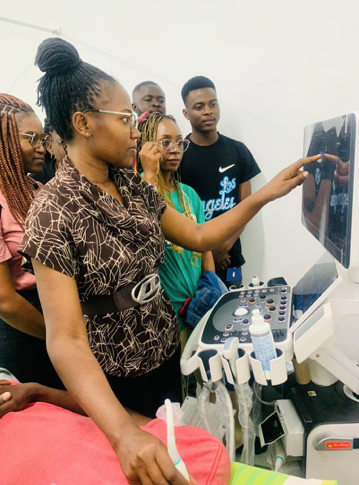
The Sonography Society of Zambia (SSZ) Centre of Education (CoE), in partnership with the UTH Radiology Department, successfully organized a week-long intensive cardiovascular ultrasound training workshop. The event aimed to equip participants with advanced skills in utilizing ultrasound imaging for early detection of cardiovascular abnormalities, thus enhancing diagnostic accuracy and improving patient outcomes.
- WORKSHOP HIGHLIGHTS
The training covered 13 comprehensive modules:
- Basic Echo Physics: Principles underlying the generation and interpretation of echocardiographic images.
- TTE-Systematic Approach: Standardized transthoracic echocardiography techniques.
- LV Assessment: Focus on systolic and diastolic function evaluation.
- Hypertensive Heart Disease: Identification and characterization of cardiac changes related to hypertension.
- Valvular Diseases: An overview of mitral, aortic, and other valvular pathologies (in two sessions).
- Pulmonary Hypertension and the Right Heart: Diagnostic strategies for pulmonary hypertension and right heart evaluation.
- Coronary Heart Diseases: Use of ultrasound in diagnosing ischemic conditions.
- Cardiomyopathies: Imaging of dilated, hypertrophic, and restrictive cardiomyopathies.
- Endocarditis: Ultrasound features of infectious and non-infectious endocarditis.
- Carotid Artery Scanning Techniques and Diseases: Assessment of carotid stenosis and atherosclerosis.
- Pericarditis: Imaging findings in pericardial effusion and inflammation.
- Tumors and Masses: Identification of intracardiac and extracardiac masses.
3. KEY OUTCOMES
The workshop empowered participants with:
- Practical skills in the systematic evaluation of cardiovascular conditions.
- An in-depth understanding of the role of ultrasound imaging in patient diagnosis and management.
- Enhanced competency in applying TTE techniques in resource-limited settings which has likely contributed to improved diagnostic Accuracy
- Increased Awareness about the importance of early detection of cardiovascular abnormalities and the role of ultrasound in achieving this.
- Enhanced continuous professional development education as required by health professions council of Zambia.
- Networking and Collaboration among participants from different healthcare facilities promoting sharing of knowledge, best practices, and support within the professional community.
The successful implementation of this workshop has strengthened the reputation and credibility of the SSZ CoE as a provider of high-quality training programs. This can attract more participants and support for future initiatives in a bid to promote quality health.
- CHALLENGES IDENTIFIED
Despite the workshop’s success, several challenges were highlighted:
- Inadequate Equipment: Limited availability of functional ultrasound machines hindered hands-on sessions.
- Consumables Shortage: Essential items such as ECG electrodes and ultrasound gel were in short supply, impacting session efficiency.
- Training Space: The Radiology Department/Cardiac Lab faced overcrowding due to high participant turnout.
- Equipment Maintenance: Some machines (hired) required servicing, reducing their usability.
5. RECOMMENDATIONS
To enhance future training sessions and foster continuous education through the SSZ COE:
- Investment in Equipment: Increased procurement and donation of modern ultrasound machines and consumables are critical.
- Maintenance Programs: Establishing a routine maintenance schedule for existing equipment to ensure optimal performance.
- Partnerships: Strengthen collaborations with local and international organizations for resource mobilization.
- Decentralized Training: Conduct workshops in other provinces to expand access and reduce congestion at central facilities.
- Invest in Trainers development: Provide opportunities for instructors to enhance their teaching skills and stay updated on the latest advancements in cardiovascular ultrasound through collaborations with experienced international faculty.
- Advocate for policy changes: Involve policymakers to integrate more Ultrasound trainings into national healthcare strategies and promote the use of ultrasound for early cardiovascular disease detection.
6. CONCLUSION
The Cardiovascular Ultrasound Intensive Training Workshop achieved its primary objective of enhancing diagnostic capacity for early cardiovascular disease detection in Zambia. Addressing the challenges identified will be instrumental in ensuring that such training programs continue to provide maximum benefit to healthcare professionals and, ultimately, to the communities they serve.
Prepared by: Cray Mweemba
Sonography Society of Zambia (SSZ) COE Director
Date: 23/01/2025